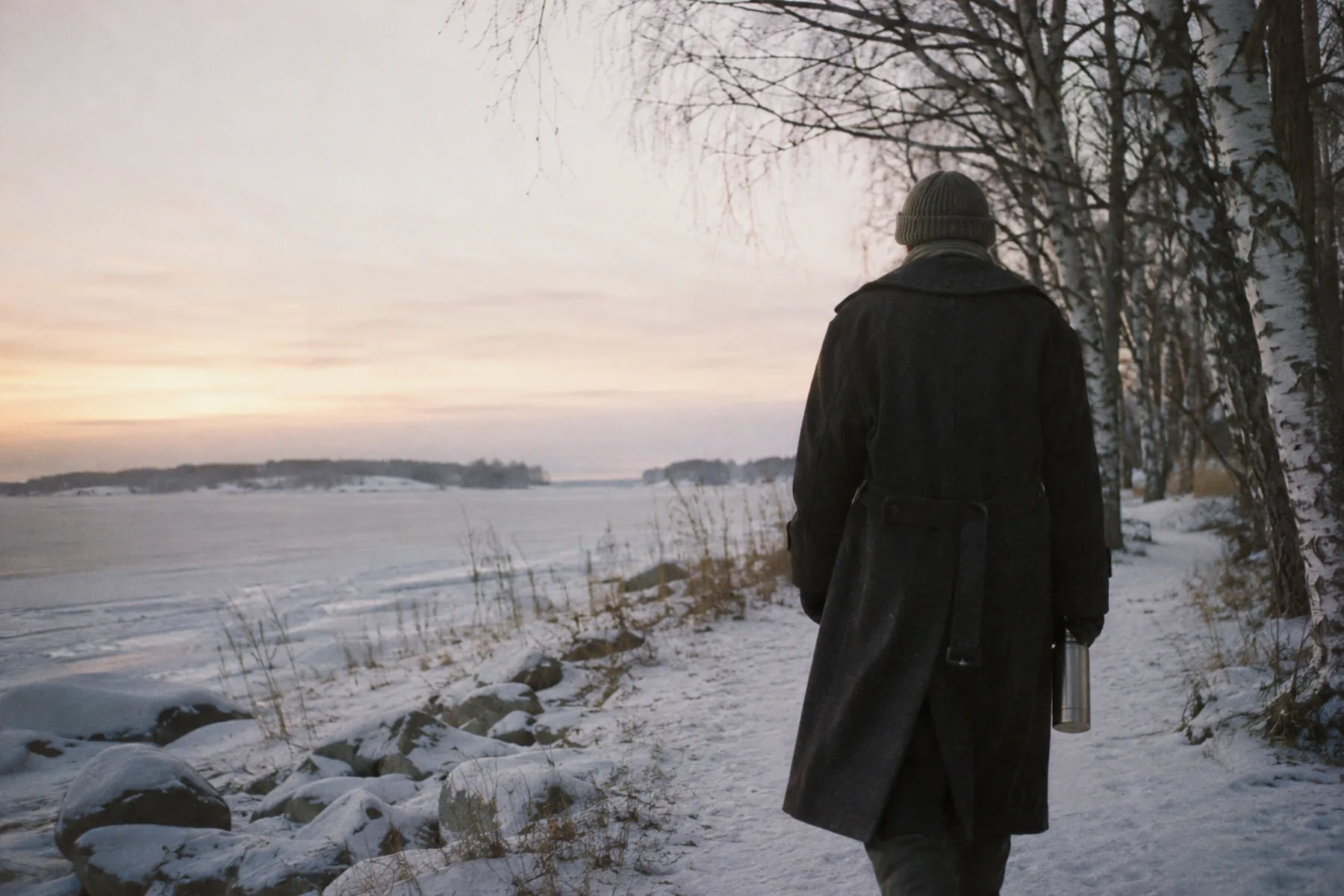
12 min read
How the votes are counted, from the box to the result
Follow one ballot paper from the sealed box in the school hall to the national result, and see who checks each step. Builds on “What a parliamentary committee does”.
Small State Letter
A short letter every Sunday: how one part of public life works in a small country, explained plainly.
48KSubstack subscribers
12KInstagram followers
Blog
One new letter every Sunday. Each says which earlier letter it builds on, so you can read them in any order.
12 min read
Follow one ballot paper from the sealed box in the school hall to the national result, and see who checks each step. Builds on “What a parliamentary committee does”.

14 min read
The path of a bill through a small parliament: who writes it, who reads it, who may change it and who signs it at the end. Builds on “What a parliamentary committee does”.
13 min read
How the plan for next year’s money is drawn up, argued over and voted on, with a made-up town as the example. Builds on “Where the money comes from, a tax year in plain words”.
Downloads and courses
Download as soon as you pay. Yours to keep.
Eighty plain definitions of the words you meet in politics, from bill and budget to quorum and turnout, each with a short example.
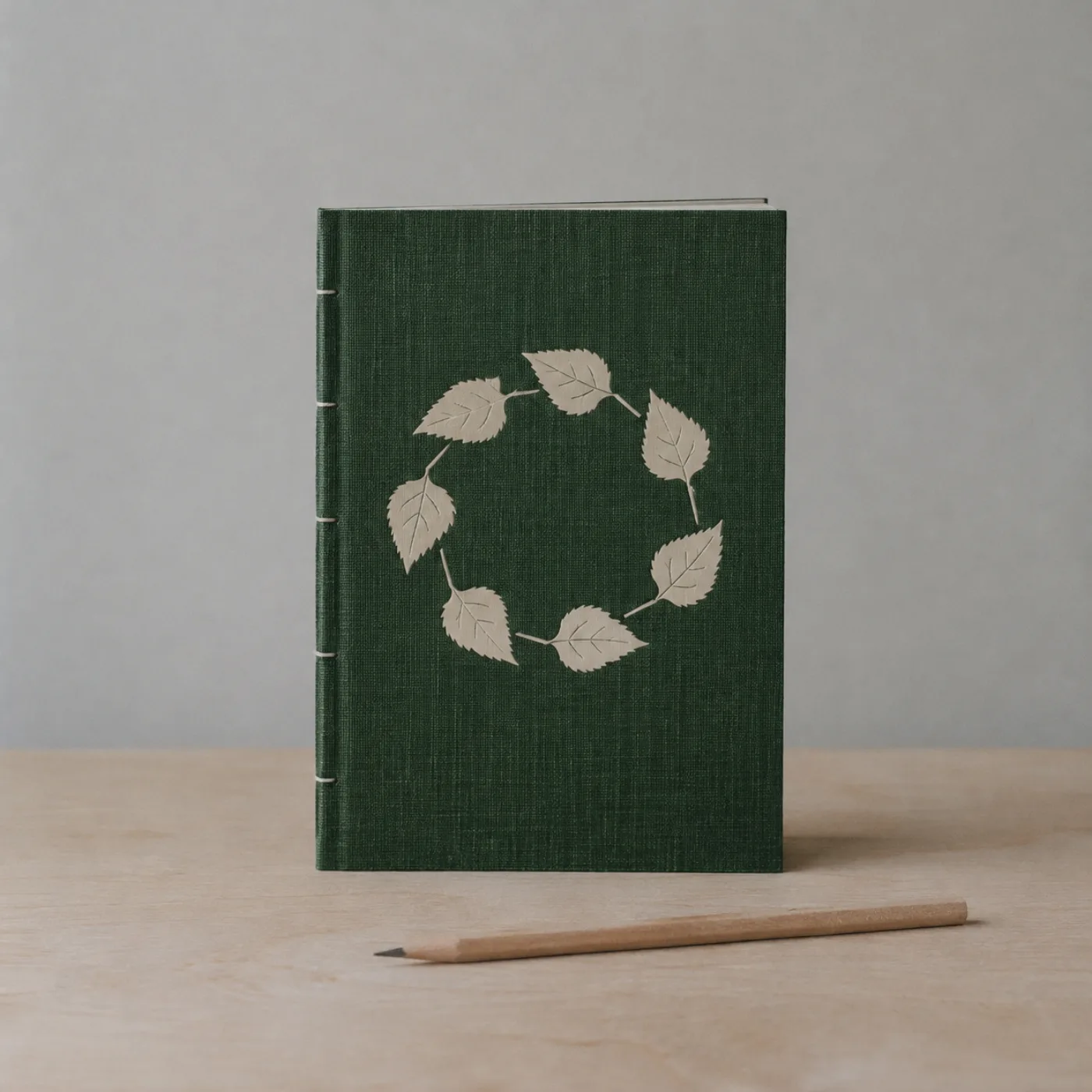
The path of a bill from first draft to signature, one page for each step, with a page of notes on who does what.
A year of budget-making in a small country, month by month, with a made-up town to follow the numbers.

What a council decides, what it is told to do and where the money comes from, in twelve short pages.
The chain from the ballot box to the result, drawn as a single diagram, with a page for each link.
What joining gives a small country and what it costs, with three invented examples to compare.
About
I grew up in a small country, and for years I thought politics was something other people understood. Then I started reading the rules, the real ones, in the plain order they happen: how a bill moves, how a budget is voted, how a council meets. It turned out to be quite simple once someone said it slowly.
So I write it slowly. Every week I take one question, such as who counts the votes or why a small state joins an alliance, and I explain how it works. I do not say who is right and I do not talk about parties. If a piece ever sounds as if it takes a side, I want to hear about it.
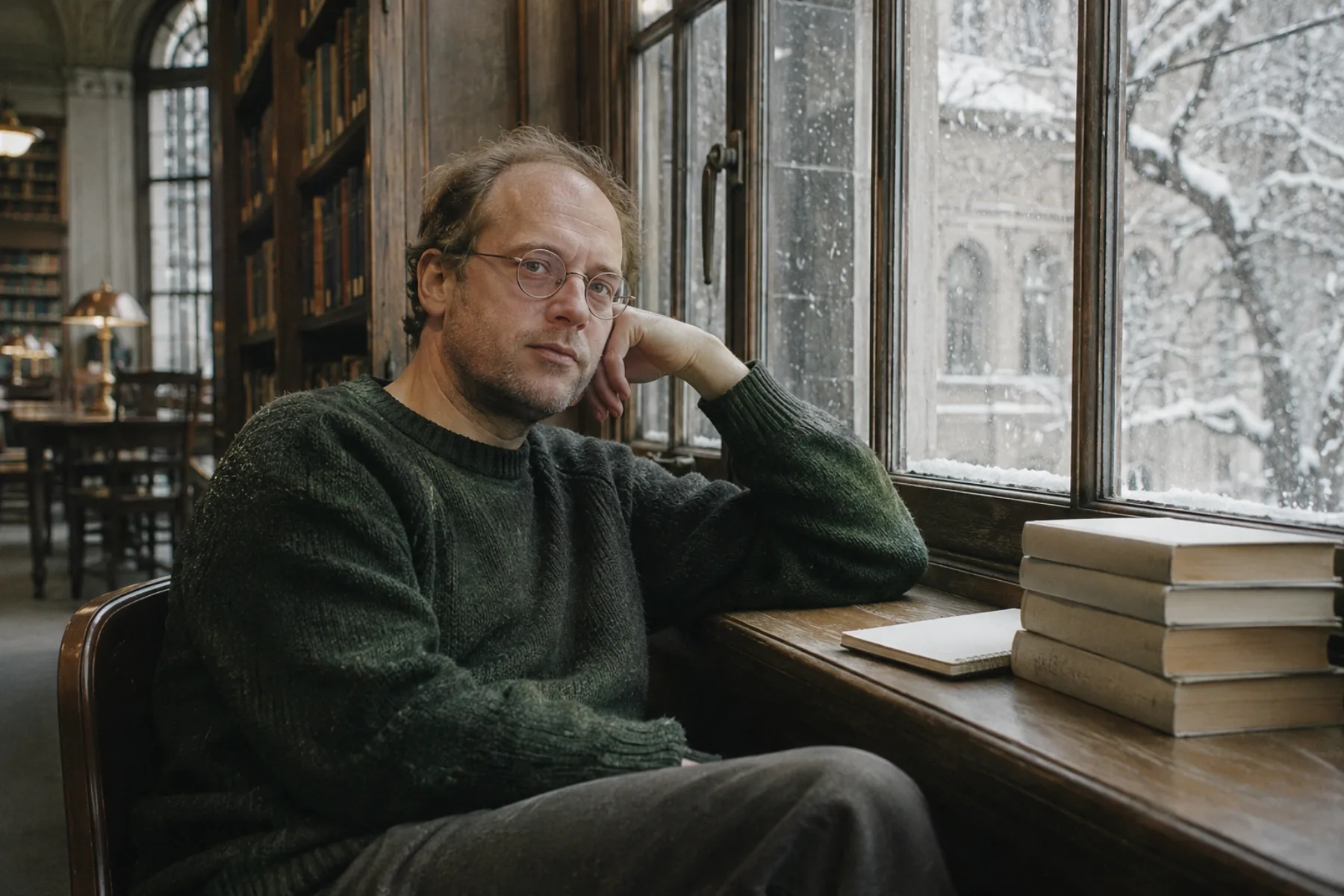
I write at a window seat in my local library, with a notebook and a thermos, and I like to start from what I can see. A ballot box. A council notice on the board. A sheet of figures. The letter goes out every Sunday, and it is free.
What I sell are the things I use myself: short guides for each topic, a glossary, a reading list and two courses. I do not sell opinions. I teach you to read how your own country works.